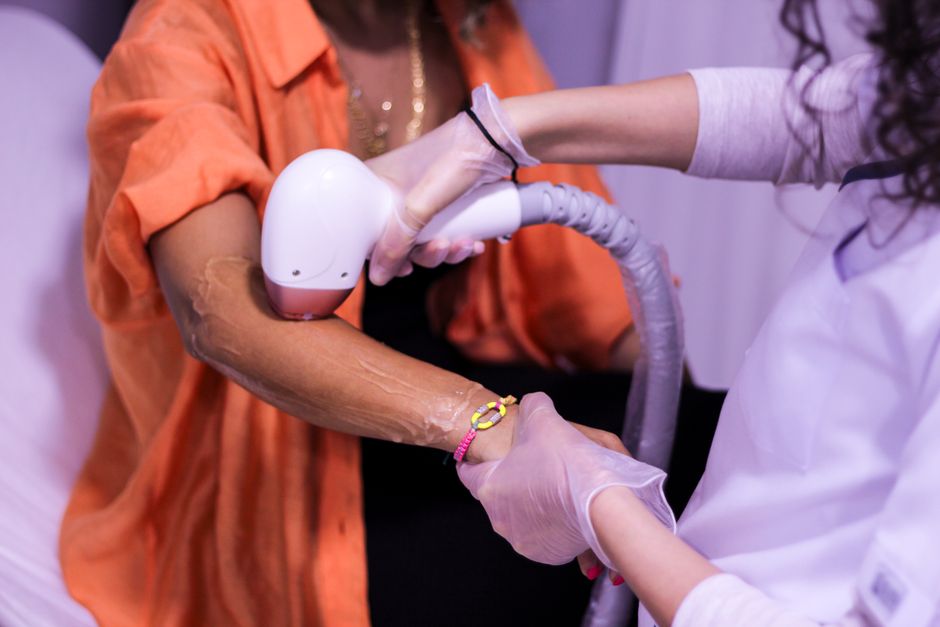
Different mechanisms and intensities
Microneedling works through controlled micro-injury via needles; laser resurfacing uses laser energy to resurface and remodel, from non-ablative to ablative. Both reach skin renewal, across different intensities and downtimes — so "which is better" depends on the patient's concern and downtime tolerance, not a universal winner.
The capital difference
For the practice, a key distinction is equipment cost: microneedling generally has a lower entry cost, while laser resurfacing involves significant capital equipment with full device-ROI considerations. That difference shapes what a practice can offer easily versus what requires a capital decision — and many practices offer both, matching the right intensity and modality to each patient.
What to do
- Match the modality to the patient's concern and downtime tolerance, not a universal preference.
- Account for the capital difference — microneedling lower-entry, laser significant capital with ROI scrutiny.
- Consider offering both to span intensities, if economics support the device.