
Injectables
The latest in injectables for medical-aesthetics practice owners.
 Injectables
AbbVie Launches Boey, Rapid-Onset Botulinum Toxin, With EU Approval
New formulation claims faster onset than Botox; FDA pathway in U.S. unclear.
 Injectables
How Much Does Lip Filler Cost — and How Owners Should Frame Lip Pricing
Lip filler is one of the most-searched price questions in aesthetics. How you frame the price shapes conversion as much as the number.
 Injectables
Radiesse vs Hyaluronic Acid Filler: Biostimulator-Type vs HA Volume
They're different categories of injectable working differently — one stimulating, one HA-based — which affects selection, reversibility considerations, and positioning.
 Injectables
'Baby Botox' vs Traditional Dosing: Subtlety as a Treatment Philosophy
Same product, different philosophy. 'Baby Botox' is about lighter, more natural results — a trend worth understanding for consults and positioning.
 Injectables
Filler vs Fat Transfer: Injectable Volume vs a Surgical Approach
Both restore volume, but one is an in-office injectable and the other a surgical procedure — a distinction that shapes who offers it and what patients are choosing between.
 Injectables
Dysport vs Jeuveau: Two Neurotoxin Alternatives in Different Lanes
Both compete with Botox, but on different terms — diffusion profile versus value positioning. The owner's comparison is about fit and cost, not a clinical leaderboard.
 Injectables
How Long Does Dysport Last — and Using Onset and Duration to Set Expectations
Patients comparing neurotoxins ask about onset and duration. Answering accurately sets expectations and supports rebooking cadence — and prevents the 'mine wore off fast' complaint.
Injectables
PRF vs Filler for the Under-Eye: Two Approaches to a Delicate Area
The under-eye is a high-stakes area where the choice between approaches must be especially careful and patient-specific.
Injectables
Lip Flip vs Lip Filler: Two Different Treatments Patients Constantly Confuse
Same area, different treatments, very different results. The confusion between them is a leading cause of disappointed lip patients.
Injectables
Botox vs Fillers: When Each Is the Right Tool (and Why Patients Confuse Them)
The most common injectable confusion in the building — they do opposite things. Here's the clear distinction that anchors every good injectable consult.
 Injectables
How Long Does Botox Take to Work — and Why the Answer Is a Retention Tool
The onset question patients ask is an expectation-setting opportunity. Practices that answer it well prevent the 'it didn't work' panic and the unnecessary early follow-up.
Injectables
Jawline Definition: The Treatment Options and the Consult That Sells the Plan
Jawline is one of the fastest-growing requests, especially among men. The strongest results — and revenue — come from a plan, not a single treatment, and a consult built to present it.
Injectables
Treating Under-Eye Concerns: Matching the Approach to the Cause (an Owner's Overview)
Under-eye complaints are among the most-requested and most-nuanced. The right approach depends on the actual cause — and mismatching it is a fast route to a hard-to-fix disappointment.
 Injectables
How Long Does Lip Filler Last — and How Owners Should Use That for Rebooking Cadence
The 'how long does it last' question patients ask is also a rebooking-cadence question owners should answer deliberately. Tie the clinical reality to your retention system.
Injectables
How Much Does Sculptra Cost — and How Owners Should Price the Biostimulator Series
Sculptra isn't priced like filler, and pricing it like filler is how practices lose money on it. The series-and-results model demands a different pricing logic.
 Injectables
Kybella vs CoolSculpting for the Double Chin: Injectable vs Device for Submental Fat
Two very different approaches to the same popular concern. The comparison patients want covers mechanism, sessions, and which fits their situation.
 Injectables
Restylane vs RHA: How Owners Should Think About Two HA Filler Families
Both are hyaluronic acid filler families with multiple products. The comparison patients and owners want is really about matching products within each line to the job.
Injectables
Dysport vs Daxxify: Diffusion and Duration as the Two Axes That Matter
These two neurotoxins are often weighed against each other on the dimensions patients and injectors actually care about: how they spread and how long they last.
 Injectables
Thread Lift vs Filler: Lift vs Volume, and Setting the Right Patient Expectation
Patients conflate them; they do different things. Filler restores volume, threads provide a lifting effect — and the wrong expectation is the fastest route to a disappointed patient.
 Injectables
Semaglutide vs Tirzepatide for Medspas: What Owners Need to Know About Offering Each
The two GLP-1-class names driving your weight-management demand differ clinically and commercially. Here's the owner's-eye comparison of offering each.
 Injectables
Managing Tox Resistance and Neutralizing Antibodies: Counseling the Patient and Switching Formulations
When a reliable patient suddenly 'stops responding' to their neurotoxin, the conversation that follows tests your clinical credibility and your retention. Here's how to handle resistance without losing the patient.
Injectables
Diffusion Profiles That Matter Chairside: Why Field-of-Effect Changes Your Injection Map by Product
Diffusion isn't an academic property — it changes where you place product, how many points you use, and your complication risk. An owner who understands it builds better protocols and reads outcomes more accurately.
Injectables
Cannula vs Needle Economics and Liability: When the Safer Technique Is Also the Better Margin
The cannula-versus-needle debate is usually framed as pure clinical preference. For an owner, it's also a question of consumable cost, treatment time, and where your liability exposure actually sits.
Injectables
Manufacturer Contract Season: How to Negotiate Volume Tiers Before You Re-Sign
The contract you re-sign on autopilot is the one that costs you all year. Treating contract season as a deliberate negotiation — armed with your real volume and credible alternatives — is among the highest-ROI hours an owner spends.
 Injectables
Anticipating the Next Injectable Price Increase: The Signals That Precede a List-Price Hike
Manufacturer price increases aren't random — they follow patterns and leave footprints. Reading the signals lets you stock ahead, lock contracts, and protect margin before the new number lands.
 Injectables
Building a Tox-and-Filler Loyalty Stack: Layering Allē, Aspire, and Evolus Rewards Without Cannibalizing Margin
Manufacturer loyalty programs are patient-acquisition tools you didn't build and don't pay for — until you let them quietly dictate what you stock and train your patients to chase points instead of results.
 Injectables
Hyaluronidase Protocols: Stocking, Dosing, and the Vascular-Occlusion Emergency Kit Every Room Needs
The cost of stocking hyaluronidase and building an occlusion protocol is trivial. The cost of not having it when a filler patient blanches is a necrosis, a lawsuit, and the end of a reputation.
Injectables
Filler Rheology for Owners: G-Prime, Cohesivity, and Why It Dictates Which Product for Which Plane
You don't have to inject to run a profitable filler menu, but you do have to understand why a high-G-prime product belongs deep on bone and a soft, cohesive one belongs in the lip. It drives your inventory, your pricing, and your complication rate.
Injectables
Switching Your Tox: The Operational Playbook for Inventory, Retraining, Patient Comms, and the Rebate Reset
Changing your primary neurotoxin looks like a purchasing decision. It's actually an operations project — and the practices that botch it lose patients and rebate standing in the same quarter.
 Injectables
Dysport-to-Botox Conversion Ratios in Practice: Pricing and Dosing When You Run Both
The 2.5:1 ratio is the textbook answer. Running both products profitably means knowing where that ratio bends, how to price so patients can't arbitrage you, and how to keep injectors consistent.
 Injectables
Overfill Math: Getting 22–25 Units Out of a '20-Unit' Vial Without Compromising Results
Manufacturers slightly overfill vials. Whether that surplus becomes billed revenue or sharps-container waste is a function of your draw technique and your tracking — not luck.
Injectables
The Real Cost-Per-Unit Breakdown: Botox vs Dysport vs Jeuveau vs Daxxify vs Letybo (Loaded, Not List)
List price is a decoy. The number that decides which toxin actually makes you money is loaded cost per *clinically equivalent* unit, after rebates, dosing conversion, and duration.
 Injectables
Reconstitution & Dilution Economics: How Your Saline Volume Quietly Changes Your Cost-Per-Unit
Dilution is a clinical decision with a financial tail. The vial holds 100 units no matter what — the question is how many you actually bill before the rest hits the sharps container.
Injectables
Supply-Disruption Early Warning: Reading 483s and Recalls to Stock Ahead of a Shortage
Shortages don't appear overnight — they're preceded by regulatory and quality signals most owners never see. Reading them turns a scramble for product into a calm, well-stocked advantage.
 Injectables
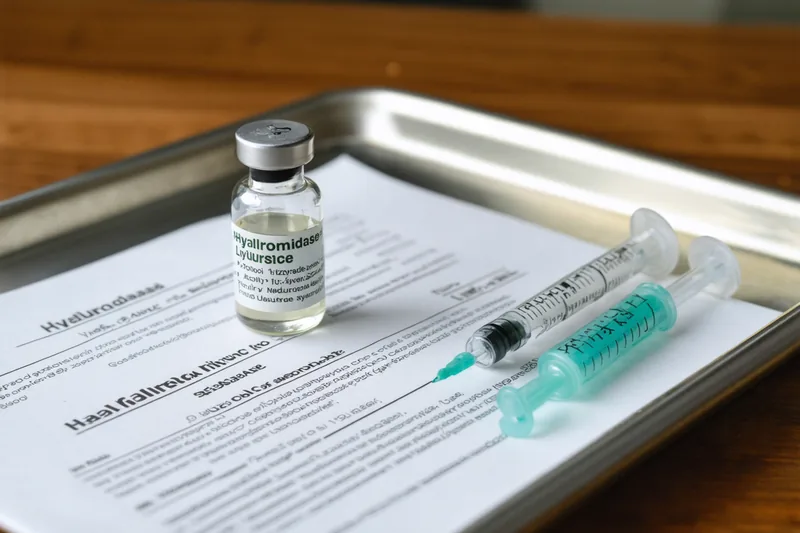
How Hyaluronidase Dissolves Filler: Mechanism, Vascular Occlusion Protocol, and Practice Liability
Hyaluronidase breaks down hyaluronic acid filler by cleaving glycosidic bonds—and knowing when to deploy it, how to manage vascular compromise, and who bears liability is essential to practice protection.
 Injectables
Botox Units Per Area: Standard Dosing and Practice Economics
Typical neuromodulator units by facial zone, how to price per-unit, and what drives your margin on toxin revenue.
 Injectables
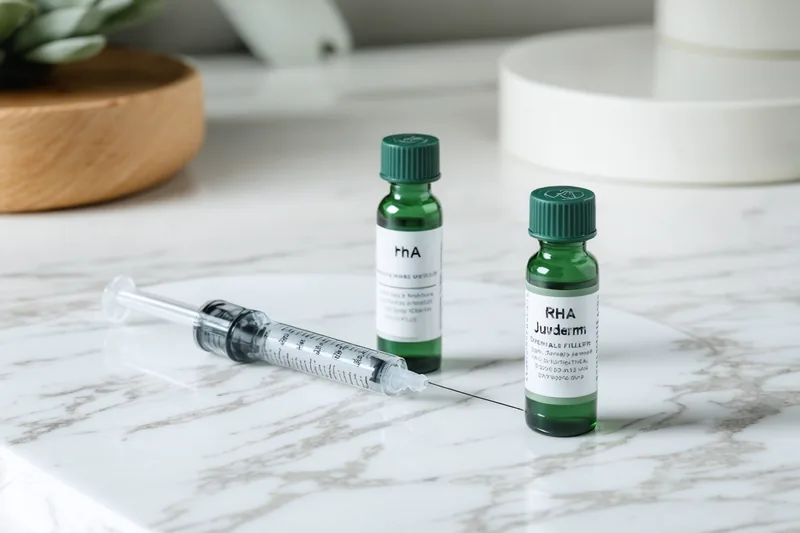
RHA vs Juvéderm: Resilient HA and Vycross Technology Compared for Aesthetic Practice
Two distinct HA architectures—RHA's resilient polymer and Juvéderm's Vycross crosslinking—deliver different clinical profiles and longevity in dynamic facial zones.
 Injectables
Daxxify vs Jeuveau: Duration, Cost, and Clinical Positioning
How the extended-duration toxin and the budget neuromodulator stack up on longevity, per-treatment economics, and market positioning.
 Injectables
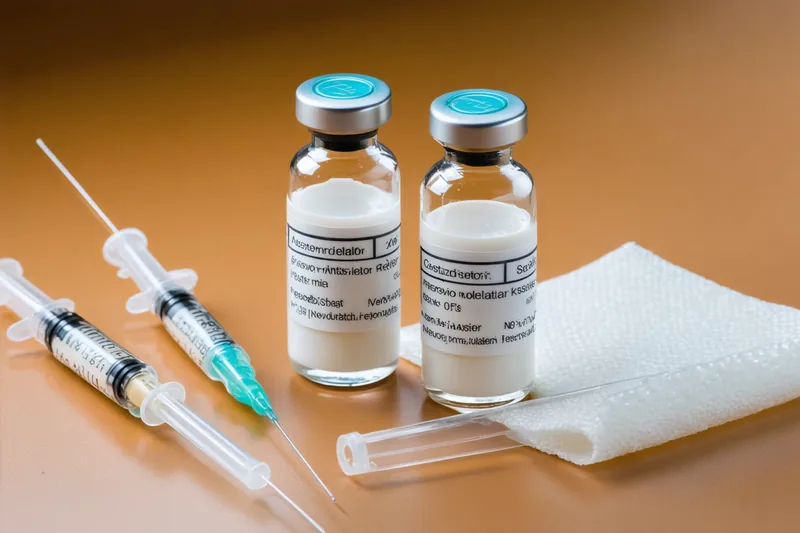
Botox vs Xeomin: Which Neuromodulator to Stock and Offer Your Patients
Both are FDA-approved botulinum toxin Type A products, but their formulations, onset profiles, dosing economics, and patient candidacy differ in ways that matter to your bottom line and clinical outcomes.
 Injectables
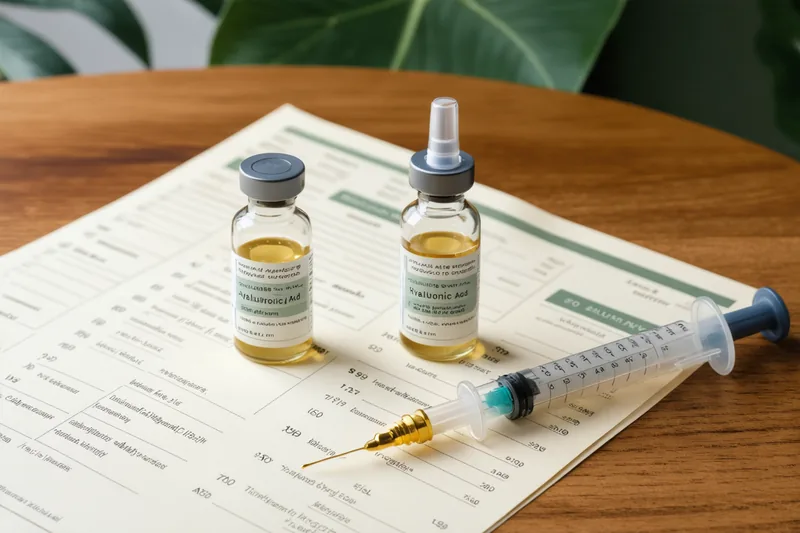
What Is a Liquid Facelift? Filler and Toxin Combination Strategy for Medspa Owners
A liquid facelift pairs neuromodulators and dermal fillers to restore volume and smooth dynamic lines—here's how to structure, price, and present it to patients.
 Injectables
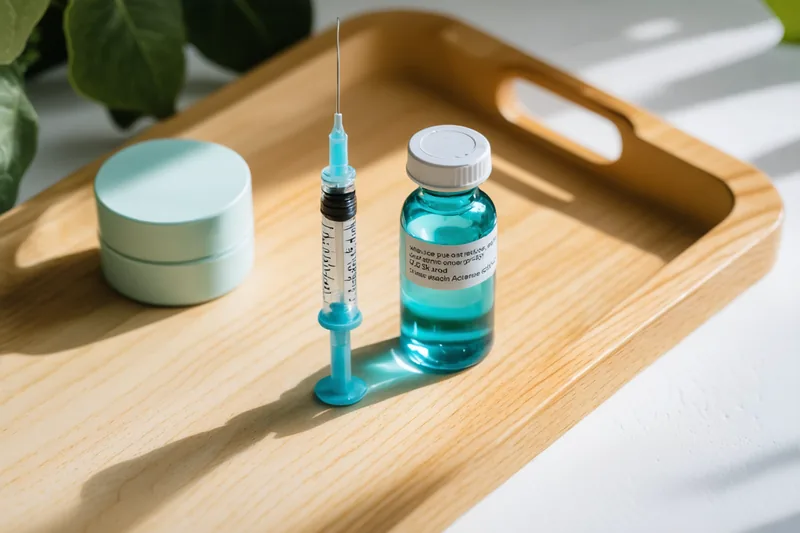
What Is a Skin Booster? Category, Players, FDA Status, and Menu Strategy
Skin boosters are injectable hydration and biostimulation treatments positioned between skincare and fillers—with distinct regulatory pathways and revenue models for medspa operators.
 Injectables
Skinvive by Juvéderm: The Microdroplet HA Skin Booster for Cheek Hydration
Skinvive is a microdroplet hyaluronic acid injectable designed to hydrate and smooth cheek skin—a new category between traditional fillers and topical skincare.
 Injectables
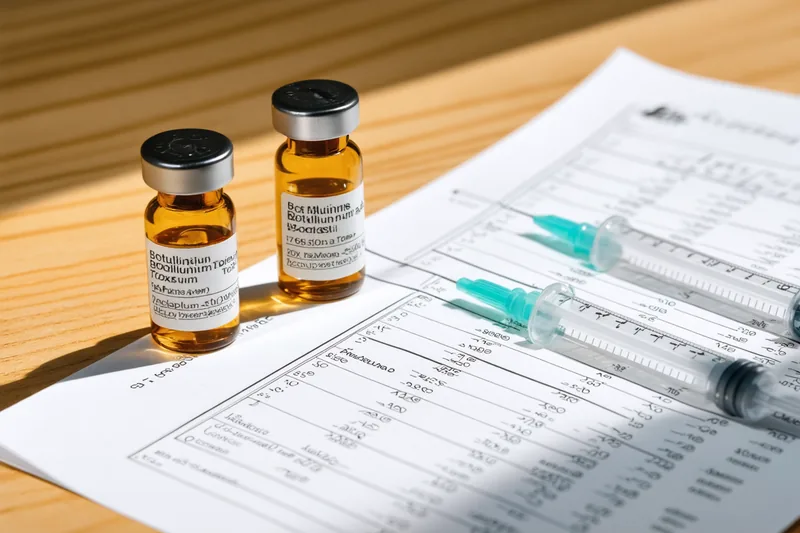
What Is Rejuran? The Polynucleotide Skin Booster Reshaping the Aesthetic Market
Rejuran is a Korean-origin polynucleotide (PN) injectable that stimulates collagen and improves skin quality—but US availability remains limited despite growing practitioner and patient demand.
 Injectables
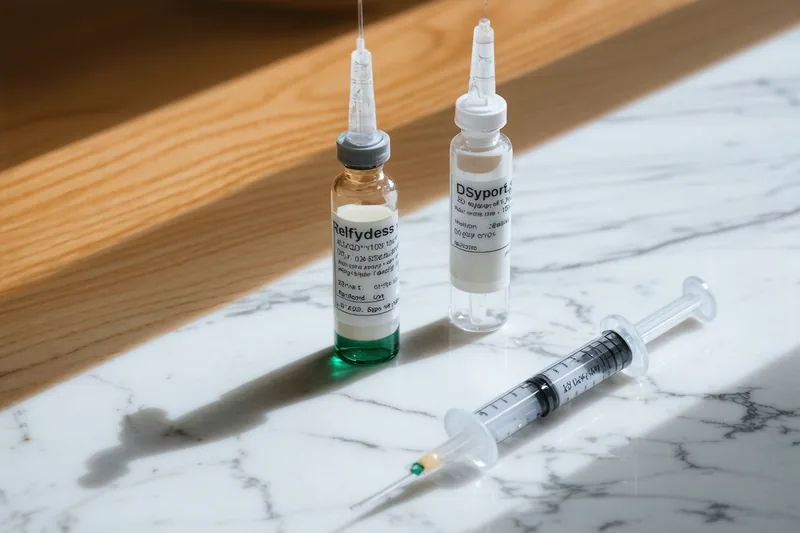
Letybo vs. Botox: Key Differences in Units, Onset, and Clinical Profile for Medspa Owners
Letybo and Botox are not interchangeable: they differ in potency, diffusion, onset speed, and market positioning—here's what owners need to know about unit equivalency and patient outcomes.
 Injectables
Is Relfydess FDA Approved? Not Yet (CRL, July 2026)
No. Galderma disclosed on July 1, 2026 that FDA issued a Complete Response Letter on its relabotulinumtoxinA application, citing a manufacturing-site inspection and analytical methods, not safety or efficacy.
 Injectables
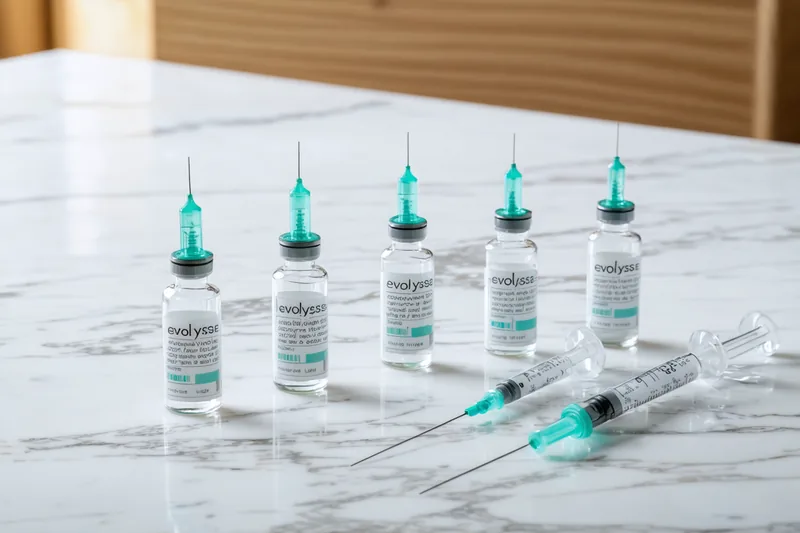
Is Evolysse FDA Approved? Yes, Since February 2025
Yes. FDA approved Evolysse Smooth and Evolysse Form on February 13, 2025 (PMA P240022) for moderate to severe dynamic facial wrinkles and folds in adults 22 or older.
 Injectables
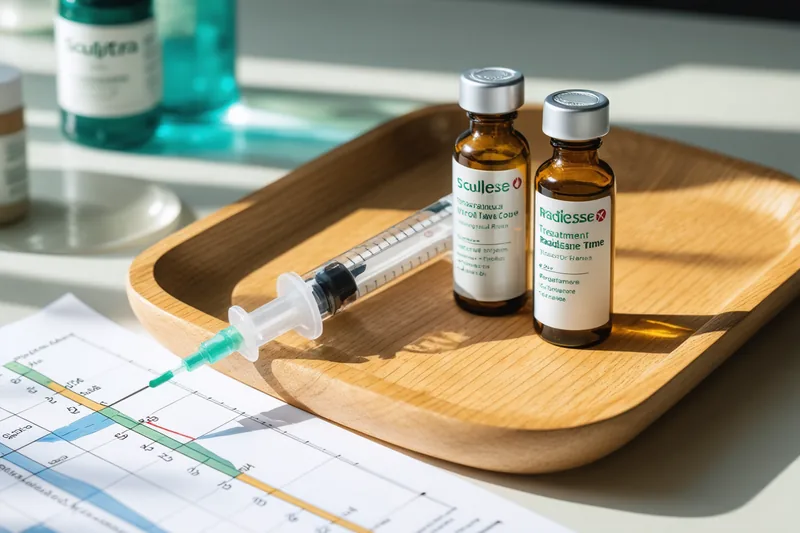
Sculptra vs Radiesse: Mechanism, Timeline, and Clinical Use Cases for Medspa Owners
Two FDA-cleared biostimulators with distinct mechanisms and patient outcomes—how to choose between PLLA and CaHA for your practice.
 Injectables
Juvéderm vs Restylane: HA Filler Families Compared by Crosslinking, Indication, and Longevity
Both HA platforms dominate the market, but their crosslinking chemistry, rheology, and clinical performance differ—here's what drives your choice and your margin.
 Injectables
Daxxify vs Botox: Duration, Cost, and When to Use Each
Daxxify's 6-month duration commands a premium, but Botox's 3-month cycle and lower cost make it the right choice for many practices and patients.
 Injectables
Botox vs Jeuveau: Which Neuromodulator to Stock and Offer
Botox dominates market share and rebate programs, but Jeuveau offers competitive unit pricing and differentiation. Here's how to choose for your practice.
 Injectables
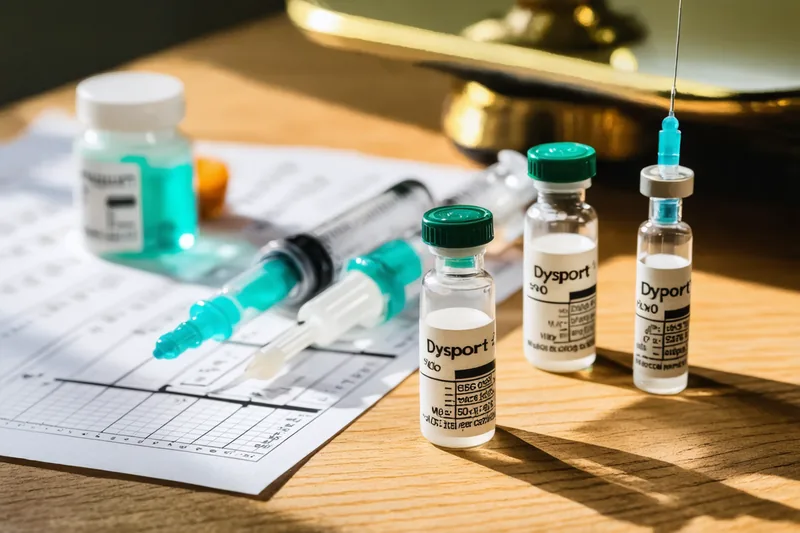
Botox vs Dysport: Clinical Differences, Dosing, and Economics for Injectors
How onset, diffusion, unit conversion, and cost structure differ between the two leading neuromodulators, and when to stock each.
 Injectables
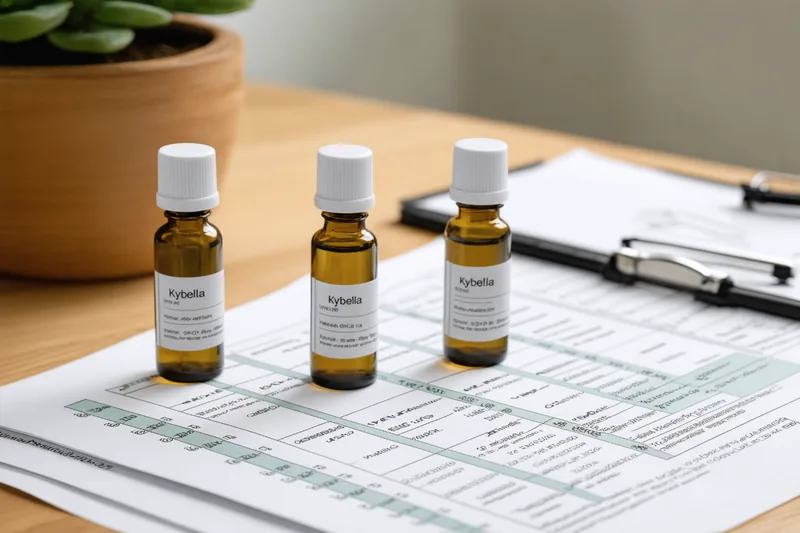
Is Kybella FDA Approved? Yes, Since April 2015
Yes. FDA approved Kybella (deoxycholic acid) injection on April 29, 2015 under NDA 206333, for moderate to severe submental fullness in adults. It is a drug approval, not a device clearance.
 Injectables
Is Sculptra FDA Approved? Yes, Since 2004 (Aesthetic Use 2009)
Yes. FDA first approved Sculptra (PMA P030050) on August 3, 2004 for HIV-associated facial fat loss, then approved its aesthetic nasolabial-fold indication in 2009 and a cheek-wrinkle indication in 2023.
 Injectables
Are RHA Fillers FDA Approved? Yes, Since 2017
Yes. FDA approved Teoxane's RHA 2, RHA 3 and RHA 4 through premarket approval (PMA P170002) on October 19, 2017, and has approved more RHA products and indications since as PMA supplements.
 Injectables
Is Xeomin FDA Approved? Yes, Since July 2010
Yes. Merz's Xeomin (incobotulinumtoxinA) was first approved on July 30, 2010 under BLA 125360. Its label now covers glabellar, forehead and lateral canthal lines in adults, plus several therapeutic uses.
 Injectables
Is Skinvive FDA Approved? Yes, Since May 2023
Yes. FDA approved Skinvive by Juvéderm on May 11, 2023 (PMA P110033, supplement S059) for cheek skin smoothness, and added a neck-lines indication on June 11, 2026.
 Injectables
Is Letybo FDA Approved? Yes, Since February 2024
Yes. FDA approved Hugel's Letybo (letibotulinumtoxinA-wlbg) on February 29, 2024 under BLA 761225, for moderate to severe glabellar lines in adults.
 Injectables
Is Jeuveau FDA Approved? Yes, Since February 2019
Yes. FDA approved Evolus's Jeuveau (prabotulinumtoxinA-xvfs) on February 1, 2019 under BLA 761085, for moderate to severe glabellar lines in adults.
 Injectables
Is Daxxify FDA Approved? Yes, Since September 2022
Yes. FDA approved Revance's Daxxify (daxibotulinumtoxinA-lanm) on September 7, 2022 under BLA 761127. Its label now covers glabellar lines and cervical dystonia in adults.
 Injectables
Allergan Aesthetics Wins Health Canada Approval for Boey — Rapid-Onset Neuromodulator Clears Regulatory Hurdle
AbbVie's next-generation toxin candidate gains approval in Canada; U.S. pathway remains unclear.
Injectables
Biostimulator Supremacy: Why Sculptra-Class Products Are Eating Filler's Lunch
The injectable conversation is shifting from instant volume to collagen built over time — and the practices that adapt their consult, pricing, and inventory to the biostimulator era will own the higher-value patient.
Free: recall & rule-change alerts for your practice.
Get the recalls and state-law changes that hit your treatment room, in your inbox — free. Unsubscribe in one click.
The free Inside MedSpa brief · no card · unsubscribe anytime. Privacy.