Friday, September 25, 2026 Never miss a recall or a rule change Get the free brief →
Inside MedSpa
FDA Recall & Compliance Alerts for Medspa Owners
Devices & TechECHOLASER X4 Clears FDA 510(k) for General Surgerylast weekBusiness & M&AAbbVie Files Material Event—Allē Rebate Terms Shifting7 weeks agoDevices & TechVIOL Scarlet Pro Wins FDA 510(k) Clearance2 weeks agoComplianceEvolus Rewards Program Terms Changed—Review Now7 weeks agoDevices & TechHebei Zollvan Diode Laser Clears FDA 510(k)2 weeks agoBusiness & M&ARejuran Maker PharmaResearch Acquires Cosmetic Group5 weeks agoBusiness & M&AAbbVie Files Material Event: Botox/Juvéderm Pricing Shift3 weeks agoBusiness & M&AAbbVie Files Material Event on Allergan Aesthetics5 weeks agoSearch DemandWho Can Inject Botox and Filler in Florida: Scope of Practice and Licensure Requirements4 weeks agoMarketGLP-1 Pill Era Is Forcing Beauty Market Shift5 weeks agoSearch DemandMedical Spa Revenue Calculator: Model Your Practice Economics4 weeks agoSearch DemandGood Faith Exam for Med Spas: State Requirements, Scope, and Compliance4 weeks ago
Trends & Forecast

Polynucleotide and 'Salmon Sperm' Boosters: The Demand Curve and the US Regulatory Catch

One of the buzziest injectable categories comes with a significant regulatory question in the US. Demand is real; whether you can offer it as marketed is a different matter.

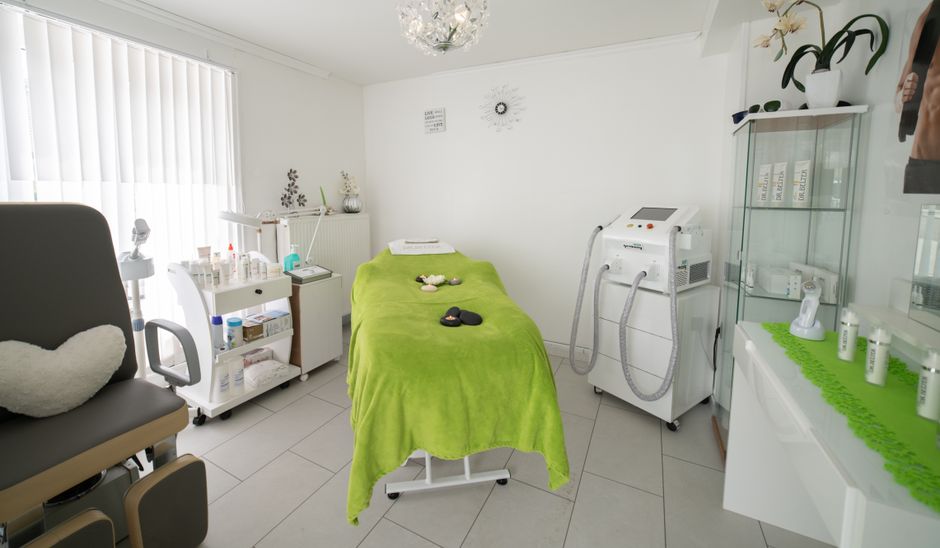
Bright and cozy clinic room featuring a comfortable treatment bed and modern equipment.
Photo: Nico Becker / Pexels

Get the free Inside MedSpa brief by email

The free Inside MedSpa brief · no card · unsubscribe anytime. Privacy.

Polynucleotide-based "skin boosters" — sometimes circulating under viral nicknames — are one of the buzziest injectable categories around, with real and rising patient demand. They also come with a significant US regulatory catch, and the gap between the two is exactly where practices get into trouble. Patients are asking for it by its trendy name; whether you can legally offer the specific products as marketed is the question the hype skips.

This is general education for owners, not medical or legal advice.

Free alerts

Free: recall & rule-change alerts for your practice.

Get the recalls and state-law changes that hit your treatment room, in your inbox — free. Unsubscribe in one click.

The free Inside MedSpa brief · no card · unsubscribe anytime. Privacy.

Patients are asking for it by its viral nickname; whether you can legally offer the specific products as marketed is exactly the question the hype skips.

Demand is real; footing is the question

The demand is genuine — strong buzz, patient requests, overseas popularity. But demand and popularity don't establish regulatory footing. The regulatory status and availability of these specific products in the US is a significant, evolving question, and the fact that patients want it (and competitors may advertise it) doesn't make a given product legitimately available to you to offer as marketed. This is the classic regenerative-category trap, sharpened: high demand, unclear footing.

The diligence requirement

Because demand outruns clarity, this is a category requiring careful regulatory and sourcing diligence with counsel before you build anything around it — not an assumption that availability equals legality. Some of what's trendy may not survive that diligence in a form you'd want to offer; some may. The discipline is doing the owner-level regulatory work before the clinical adoption, exactly as with the broader regenerative wave.

Lead or decline cleanly

Watch the category as a demand signal, do the diligence, and then either offer what's genuinely defensible on solid footing or decline cleanly — "we don't offer products outside proper channels, here's what we'd recommend instead" — which is a position of strength. What you must not do is chase the viral demand by sourcing or offering something whose US footing you haven't confirmed.

What to do

  • Treat polynucleotide boosters as high-demand, unclear-footing — a category requiring diligence, not an assumption of availability.
  • Do regulatory and sourcing diligence with counsel before building any offering.
  • Don't let patient demand or competitor activity substitute for footing.
  • Lead on what's defensible, decline cleanly on what's not.

Frequently asked questions

What are polynucleotide boosters?

They're an injectable 'skin booster' category that's generated significant buzz and demand, sometimes referred to by viral nicknames. Their regulatory status and availability in the US is a significant, evolving question that requires careful diligence — demand running ahead of clear regulatory footing is the central issue. This is general education, not medical or legal advice.

Can I offer polynucleotide boosters in the US?

This requires careful regulatory and sourcing diligence, because patient demand and overseas popularity don't establish that a specific product is legitimately available to offer as marketed in the US. Treat it as a category requiring diligence with counsel, not an assumption of availability.

Why is this a trap?

Because demand can run well ahead of regulatory clarity. The buzz and patient requests don't make a product legally available to you as you'd like; acting on demand without confirming footing is how practices get exposed in this category.

Business information, not medical or legal advice. Verify product status at FDA.gov.

Free alerts

Free: recall & rule-change alerts for your practice.

Get the recalls and state-law changes that hit your treatment room, in your inbox — free. Unsubscribe in one click.

The free Inside MedSpa brief · no card · unsubscribe anytime. Privacy.

Share

https://insidemedspa.com/article/polynucleotide-boosters-regulatory/

Discussion

    Leave a comment

    Comments are reviewed before they appear.
    Inside MedSpa · Free brief

    By the time it's news, it's too late.

    FDA decisions, recalls and the rules you operate under, drafted from the source documents and sent free by email.

    Get the free brief The free Inside MedSpa brief · no card · unsubscribe anytime.
    FDA, recalls and rule changes for practice owners Get the free brief →