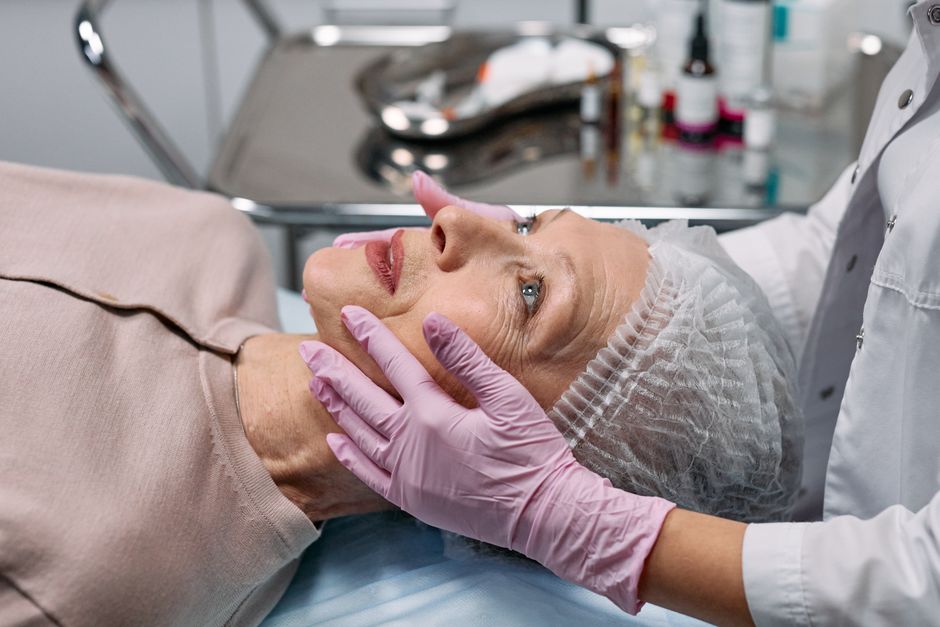
The party setting fights the medical requirement
Every injectable patient is owed an individualized good-faith exam, proper supervision and delegation, an appropriate setting, sound clinical judgment, and proper documentation, the same as any treatment. The party format strains all of these at once. The social, high-volume, time-pressured environment is the opposite of an unhurried individualized evaluation; supervision and proper delegation are harder to maintain across a roomful of patients in someone's living room; the setting and record-keeping a clinical encounter requires are awkward to replicate at an event. None of these requirements relax because the lighting is nice and everyone's having fun. The party atmosphere is precisely the problem, because it's structurally at odds with the careful, individualized, well-documented medical care the law expects for each person treated.
Alcohol makes it worse
The glass of wine that makes the party feel festive compounds the concern. Alcohol and medical procedures mix poorly from both a clinical-judgment and an informed-consent standpoint, and its presence highlights the whole tension: a setting designed for socializing and relaxation is being used to deliver individualized medical treatment that demands sobriety, focus, and careful evaluation. The wine isn't a side detail; it's a symbol of how far the event's framing has drifted from the clinical encounter each treatment actually is.
Why "everyone does it" isn't a defense
Tox parties are common, which lulls owners into treating them as obviously fine. Ubiquity isn't compliance. It's shared exposure. The fact that the format is popular doesn't change the requirement that each patient receive a genuine individualized exam, proper supervision, an appropriate standard of care, and documentation. A regulator examining an event isn't grading its popularity; they're asking whether each patient got the care the law requires, and the party setting makes the honest answer harder to give. The volume that makes the event profitable is the same volume that makes maintaining the standard for every patient difficult.
Doing it right, if at all
Group events can potentially be done compliantly, but only if the practice genuinely maintains the medical standards for each patient rather than letting the party atmosphere erode them: real individualized good-faith exams, proper supervision and delegation, an appropriate setting and documentation, and sound clinical judgment uncompromised by the social pressure to move fast and keep it light. That's the same compliance burden as any treatment; the format simply makes it harder to satisfy, which means a compliant group event has to be designed deliberately with counsel and your medical director, not improvised because it sounded like fun marketing. If you can't maintain the standard at the event, the honest conclusion is that the format doesn't work for you, not that the standard bends for the party.
What to do
- Recognize the structural tension: the social, high-volume party setting fights the individualized, documented medical care each patient is owed.
- Don't let "everyone does it" substitute for compliance. Popularity is shared exposure, not a defense.
- Avoid alcohol around treatment, given its clinical-judgment and consent implications.
- If you host group events, design them with counsel to genuinely maintain the standard: real exams, proper supervision, appropriate setting and documentation. Skip the format if you can't.
The tox party is a genuinely effective marketing format and a genuine compliance trap, and both things are true because of the same feature: the fun, social, high-volume atmosphere is structurally at odds with the careful individualized medical care every injectable patient is supposed to receive. Done with the standards fully maintained, designed deliberately with counsel, it may be defensible. Done the way it's tempting to do it (casual, quick, wine in hand, exams as an afterthought), it's a regulatory exposure wearing a party hat. Maintain the standard or don't host the event; there's no version where the party relaxes the medicine.
Frequently asked questions
Are Botox parties legal?
It depends on the state and on whether the medical requirements (individualized good-faith exams, proper supervision, appropriate setting, and documentation) are genuinely met for each patient. The event format itself isn't automatically illegal, but the party setting makes meeting those requirements harder, which is where compliance problems arise. This is general education, not legal advice.
What requirements do group events put at risk?
Primarily the individualized good-faith exam each patient should receive, proper supervision and delegation, appropriate medical setting and record-keeping, and sound clinical judgment, all of which are harder to maintain in a social, high-volume, sometimes alcohol-present environment than in a normal clinical visit.
Does alcohol at the event matter?
It can compound the concerns: alcohol and medical procedures are a poor mix from both a clinical-judgment and a consent standpoint, and its presence highlights how the social framing conflicts with the individualized medical care each patient is owed.
Can a practice host group injectable events compliantly?
Potentially, if it genuinely maintains the medical standards for each patient (real individualized exams, proper supervision, appropriate setting and documentation) rather than letting the party atmosphere erode them. The compliance burden is the same as any treatment; the format just makes it harder to satisfy, so it must be designed deliberately with counsel.