
Xeomin (incobotulinumtoxinA, Revance) is gaining traction in conversations around neurotoxin resistance—the phenomenon where repeated Botox exposure triggers antibody formation, reducing efficacy. Xeomin's unformulated structure (no complexing proteins) is theoretically less immunogenic, making it a logical rotation option for resistant patients.
Injectables
Xeomin Enters Neurotoxin Resistance Debate as Practitioners Seek Alternatives
Unformulated toxin positioning itself as option for patients with antibody resistance to Botox.
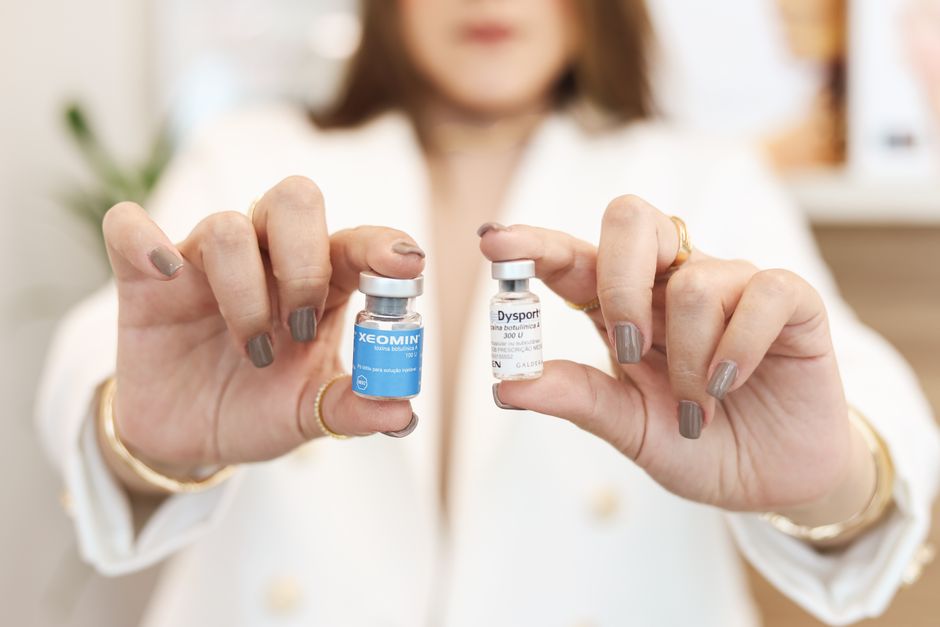
Xeomin's unformulated structure positions it as a rotation option for patients resistant to Botox.
The clinical evidence on resistance prevalence is mixed; most studies cite 5–15% of chronic users, though some practices report higher rates. Revance has positioned Xeomin as the rotation choice, and this messaging is resonating with practitioners managing resistant cases. For practice owners, the takeaway is operational: maintaining a second toxin on formulary—whether Xeomin, Dysport, or now Boey—is becoming standard risk management, not luxury. This also creates rebate negotiation leverage with suppliers.
Source: original report ↗
Free alerts
Free: recall & rule-change alerts for your practice.
Get the recalls and state-law changes that hit your treatment room, in your inbox — free. Unsubscribe in one click.
Free · weekly · unsubscribe anytime. Privacy.
Stay three moves ahead of every practice in your market.
Knowing it happened is table stakes. Inside MedSpa Pro hands you the play — what each move means for your margins, your license, and your patients, and exactly what to do about it — in a two-minute brief, twice a week. The owners who read it never get blindsided.
Get the edge · $20/moJoin the owners who run ahead of the industry. Cancel anytime, one click.