
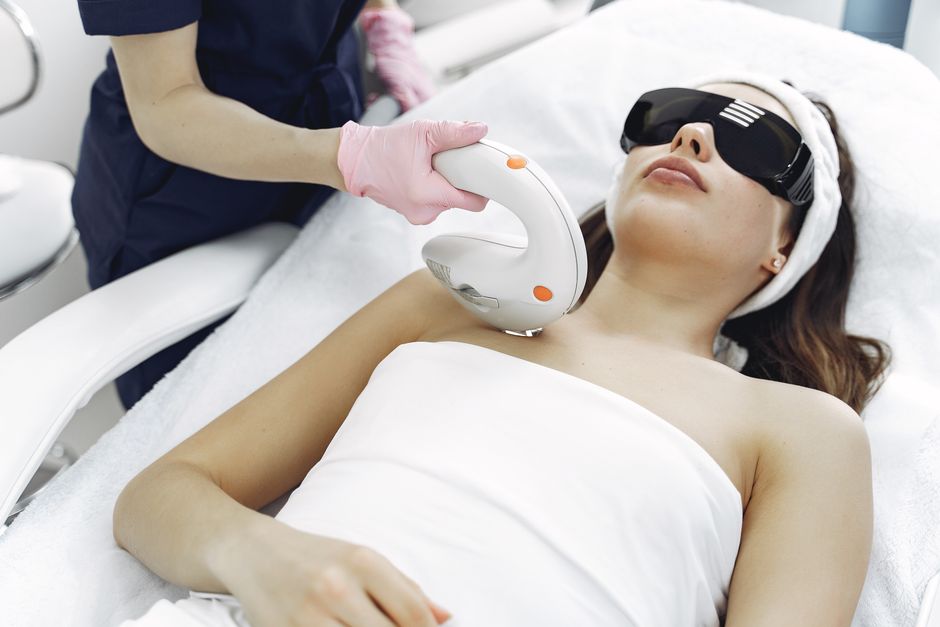
Cynosure has secured a new clearance for the PicoSure Workstation, the picosecond laser that remains a workhorse for tattoo removal, pigment correction, and skin revitalization in many aesthetic practices. While the filing doesn't spell out every modification, a new 510(k) typically reflects changes to components, software, handpiece design, or treatment parameters.
If you already operate a PicoSure, reach out to your Cynosure rep to understand what's different and whether the update affects your service agreements, consumables, or clinical protocols. If you're considering a purchase, confirm whether you're being quoted the newly cleared version or older inventory.
PicoSure's brand recognition can drive patient demand, but staying current on platform revisions helps you avoid surprises during maintenance or when ordering replacement parts. The laser aesthetic market moves fast, and small hardware tweaks can matter operationally.
Review the FDA 510(k) summary for the official device description and predicate comparison.
View the official FDA record ↗
This post summarizes a public FDA database entry for medical-aesthetics owners. It is general business information, not medical, legal, or regulatory advice. Always confirm scope, lot numbers, and classification against the official FDA record, and consult your own clinician or counsel for anything clinical or compliance-related.