
Most expansion decisions in this industry are made on a feeling. The practice feels slammed, the schedule feels full, the owner is tired of saying "our next opening is three weeks out," and so they add a room, finance a new device, or sign a lease on a second location. Sometimes that feeling is right. Often it's the most expensive feeling in the business — because the number that should actually drive the decision is utilization, and the practices that expand are frequently running it lower than the vibe suggests. Adding capacity to a practice that isn't using the capacity it already has doesn't multiply revenue. It multiplies overhead, and whatever problem was making the place feel busy comes right along with it.
Operations
Chair and Room Utilization: The Single Metric That Predicts Whether You Should Expand
Owners decide to add a room, a device, or a second location off a feeling. The number that should drive that decision is utilization — and most practices that expand are running it lower than they think.
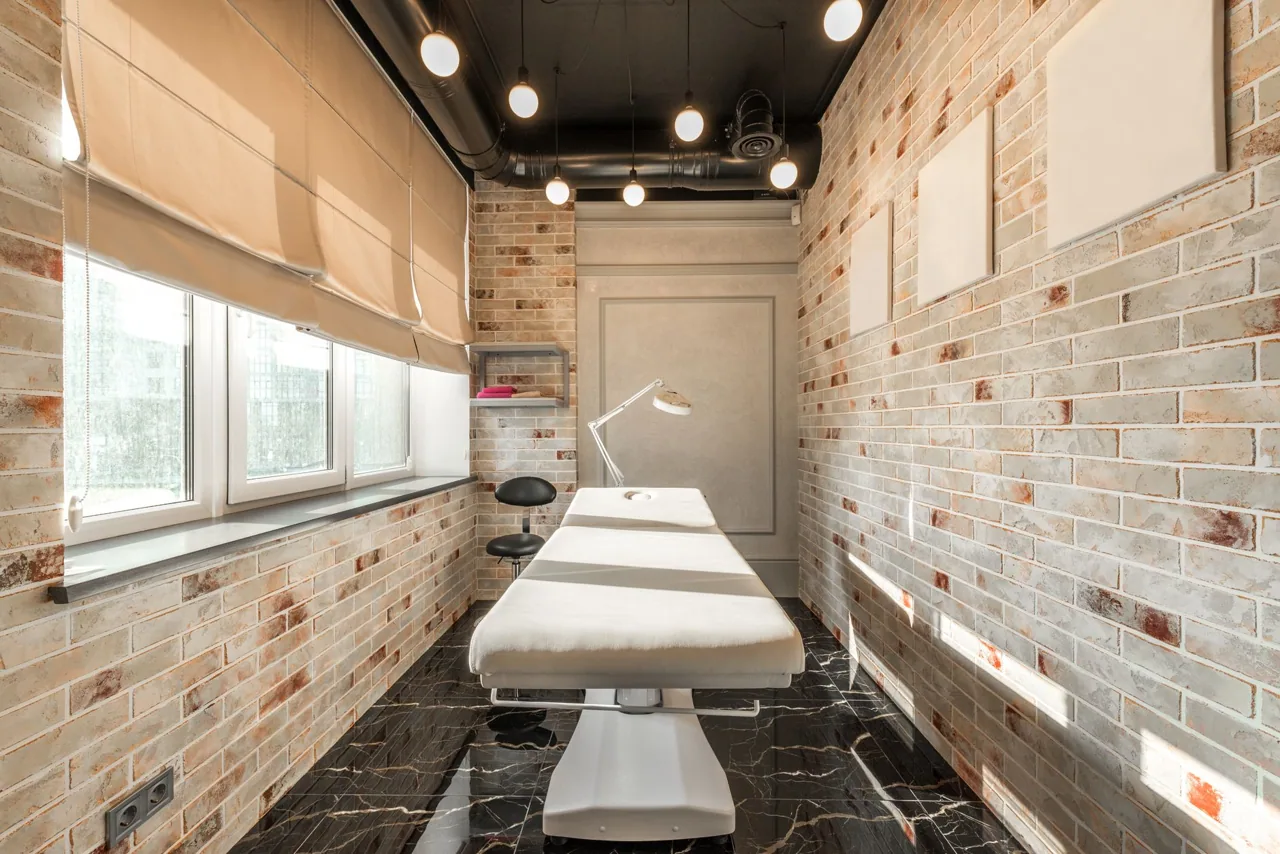
Adding capacity to a practice that isn't using the capacity it has doesn't multiply your revenue. It multiplies your unsolved problem.
Room and chair utilization is the share of your available, bookable hours — rooms, chairs, provider time — that are actually filled with revenue-generating appointments. It's a measure of how fully you're using the capacity you already pay for: the rent on those rooms, the salary or guarantee on those providers, the lease on those chairs. It is emphatically not a measure of how busy the place feels, and the gap between those two things is where bad expansion decisions are born.
"Busy" and "utilized" are different words for a reason
A practice can feel completely slammed and run mediocre utilization, because the things that create the feeling of busy aren't the same as the things that fill hours. Demand clustered into peak times leaves the off-peak hours empty while the front desk drowns at four o'clock. Gaps between appointments, turnover time, no-shows, and uneven provider schedules quietly pock the day with unbookable or unbooked capacity. The owner experiences the peaks and concludes the practice is at its limit; the utilization number, which sees the whole week including the empty Tuesday mornings, tells a different and truer story.
This is why the feeling can't be trusted for a capacity decision. The feeling is built from the worst moments; the decision should be built from the whole.
Why low utilization makes expansion a trap
Expansion is, financially, the act of adding fixed cost — more rooms to heat, more chairs to fill, often more guaranteed provider time. That bet only pays if there's genuine demand that your current capacity can't absorb. If your existing rooms and hours aren't well utilized, the new capacity doesn't summon new demand; it spreads the demand you already have across more overhead, lowering utilization everywhere and turning a profitable-feeling practice into a thinner one. The unsolved problem — clustered demand, scheduling inefficiency, a conversion or retention gap — doesn't get fixed by more square footage. It gets duplicated.
The cheaper, higher-return growth almost always lives inside your current footprint first: smoothing demand into the empty hours, tightening the schedule, cutting no-shows, improving conversion and rebooking so the rooms you already pay for fill up. Filling existing capacity is the growth that costs nothing but management; building new capacity is the growth that costs the most and only pays when the existing capacity is genuinely maxed.
The signal that actually justifies it
The sound basis for expansion is consistent, sustained pressure against your current capacity — genuinely turning away or delaying demand you can't fit into well-used rooms and hours. When you're bumping against the ceiling week after week, with utilization high across the whole schedule and not just the peaks, the demand is real and adding capacity converts it. That's the moment. Before it, expansion is a bet that more space creates demand, which it does not.
What to do
- Measure utilization across your whole bookable week, not the peaks — the empty Tuesday morning counts as much as the packed Thursday evening.
- Distinguish busy from utilized. If the practice feels slammed but utilization is mediocre, your problem is scheduling and demand-smoothing, not capacity.
- Exhaust internal growth first — fill the empty hours, cut no-shows, improve conversion and rebooking — before adding fixed cost.
- Expand only against sustained capacity pressure, when you're consistently turning away demand that well-used rooms can't hold.
Expansion feels like ambition and reads like progress, which is exactly why it's so easy to do for the wrong reason. The discipline is letting one number — how fully you use the capacity you already have — make the call instead of the feeling of a busy afternoon. Fill the rooms you've got first. If they genuinely won't hold the demand, build more. If they will, you were about to pay a lot of money to make your practice feel slightly less busy.
Frequently asked questions
What is room or chair utilization?
It's the share of your available, bookable room or provider hours that are actually filled with revenue-generating appointments. It measures how fully you're using the capacity you already pay for — the rent, the rooms, the provider time — rather than how busy the practice feels.
Why is utilization the key expansion signal?
Because expansion adds fixed cost in the form of more capacity. If your existing capacity isn't well utilized, adding more spreads the same demand thinner and multiplies overhead without multiplying revenue. High, sustained utilization is the evidence that demand genuinely exceeds your current capacity — the only sound basis for adding more.
Can a practice feel busy but have low utilization?
Easily. Clustered peak-time demand, gaps between appointments, no-shows, and uneven provider schedules can make a practice feel slammed while a meaningful share of bookable hours sits empty. Feeling busy is not the same as being well utilized, which is why the metric matters more than the vibe.
What utilization justifies adding capacity?
There's no universal threshold, but the principle is that you should be consistently bumping against your current capacity — turning away or delaying demand — before adding more. If you can absorb more patients into existing rooms and hours, the cheaper growth is filling what you have, not building more.
Free weekly brief
Get the free weekly brief.
The week's most important moves in medical aesthetics — distilled to a two-minute read, free. Unsubscribe in one click.
Free · weekly · unsubscribe anytime. Privacy.
Stay three moves ahead of every practice in your market.
Knowing it happened is table stakes. Inside MedSpa Pro hands you the play — what each move means for your margins, your license, and your patients, and exactly what to do about it — in a two-minute brief, twice a week. The owners who read it never get blindsided.
Get the edge · $20/moJoin the owners who run ahead of the industry. Cancel anytime, one click.