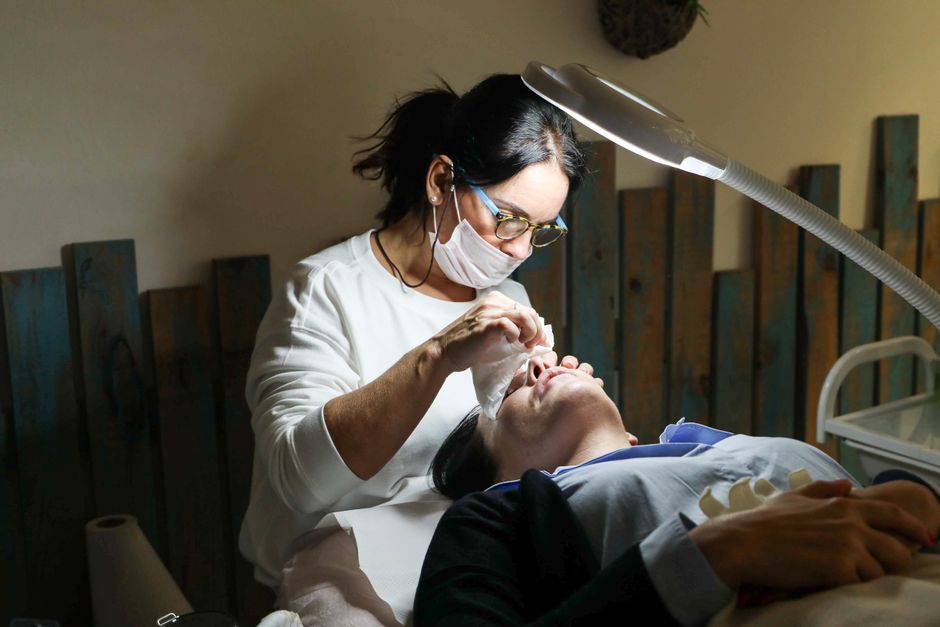
Criminal case highlights ongoing supply-chain vulnerability and unlicensed practitioner risks.
Prosecutors in New York have arrested a man for injecting counterfeit Botox, underscoring persistent supply-chain and practitioner-licensing vulnerabilities in the aesthetic market. The case illustrates the criminal liability exposure for unlicensed injectors and the market for diverted or counterfeit neurotoxin products.
Counterfeit injectables pose dual risks: patient safety (unknown potency, sterility, and adverse events) and practice liability (if patients seek recourse or report adverse events to state boards). Legitimate practices must verify product provenance through authorized wholesalers and maintain chain-of-custody documentation. State boards increasingly scrutinize practitioner credentials and supervision protocols in response to unlicensed-injection cases.
Counterfeit Botox arrest highlights supply-chain and licensing vulnerabilities.
For practice owners, this reinforces the compliance imperative: verify injector licensure and supervision compliance, audit product sourcing, and maintain incident-reporting protocols. Insurance carriers are tightening coverage for practices with weak credential-verification or product-traceability systems.
Source: original report ↗
Free alerts
Free: recall & rule-change alerts for your practice.
Get the recalls and state-law changes that hit your treatment room, in your inbox — free. Unsubscribe in one click.
Free · weekly · unsubscribe anytime. Privacy.
Stay three moves ahead of every practice in your market.
Knowing it happened is table stakes. Inside MedSpa Pro hands you the play — what each move means for your margins, your license, and your patients, and exactly what to do about it — in a two-minute brief, twice a week. The owners who read it never get blindsided.
Get the edge · $20/mo
Join the owners who run ahead of the industry. Cancel anytime, one click.