Saturday, June 27, 2026 Never be the last to know Go Pro · $20/mo →
Inside MedSpa
Intelligence for Medical-Aesthetics Owners
1 free article left this week. Subscribers read everything, unlimited.Subscribe →
Injectables

Hyaluronidase Protocols: Stocking, Dosing, and the Vascular-Occlusion Emergency Kit Every Room Needs

The cost of stocking hyaluronidase and building an occlusion protocol is trivial. The cost of not having it when a filler patient blanches is a necrosis, a lawsuit, and the end of a reputation.

Hyaluronidase Protocols: Stocking, Dosing, and the Vascular-Occlusion Emergency Kit Every Room Needs
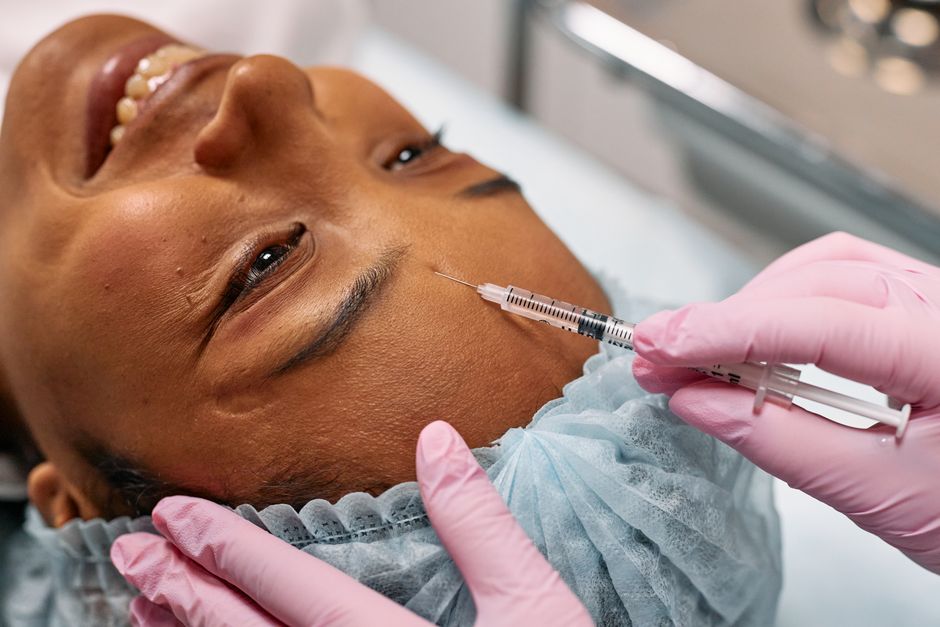
Image: Inside MedSpa

There is a category of expense that owners resist because it produces nothing on a good day, and hyaluronidase is the cleanest example of it. It sits in the fridge. It costs money to stock and to keep adequate. On the overwhelming majority of days it does absolutely nothing — and then, on one day, it is the only thing standing between a routine filler appointment and a tissue necrosis that ends in a disfigured patient, a board complaint, and a lawsuit you cannot win because you weren't ready.

Vascular occlusion — filler inadvertently compromising blood flow — is not an exotic abstraction. It is the foreseeable emergency of any practice that injects hyaluronic acid filler. And being unprepared for a foreseeable emergency is, in both clinical and liability terms, the definition of indefensible.

Vascular occlusion is not a rare-disease abstraction. It is the foreseeable emergency of a filler practice — and being unprepared for a foreseeable emergency is the definition of indefensible.

This is general education for owners, not medical or legal advice. Clinical protocols must come from current training and your medical director; risk-management specifics from your counsel and carrier.

Stock it like you mean it

The common failure isn't having zero hyaluronidase — it's having a token amount that's adequate for a leisurely cosmetic dissolve and nowhere near enough for an actual occlusion. Managing occlusion can require substantially more product, sometimes across repeated rounds, on a clock measured in minutes to hours. A practice that keeps a single vial "just in case" can run dry in the middle of the one emergency it exists to handle.

Treat quantity as part of the protocol: enough on hand to begin and sustain management, plus a known resupply path. The carrying cost is trivial. The cost of running out mid-emergency is unbounded.

Build the protocol before you need it

An emergency is the worst possible time to figure out your process. Every room that injects filler should operate against a written vascular-occlusion protocol — the recognition signs, the immediate steps, the dosing and reconstitution specifics from current training, the warm-compress and adjunct measures, and the escalation and transfer plan if the situation exceeds what the practice can manage. The clinical content belongs to your medical director and your training; the existence and accessibility of the protocol belongs to the owner.

Pair the protocol with the physical kit — hyaluronidase in adequate quantity, the supplies to reconstitute and inject promptly, and the escalation contacts — kept somewhere every injector can reach in seconds, not a locked cabinet someone has to hunt for keys to open.

Rehearse it

A protocol nobody has practiced is a document, not a capability. The practices that handle occlusion well are the ones where every injector has walked through the steps, knows where the kit is, and doesn't have to think about the sequence under stress. Periodic drills — even brief tabletop walkthroughs — convert a binder into a reflex. The first time your team runs the protocol should not be on a real patient who is actively blanching.

Why this is also a liability moment

An adverse event is going to be judged, fairly or not, on how you responded. An occlusion managed with a documented protocol, adequate product, immediate appropriate intervention, and clear charting looks like a practice meeting the standard of care. The same event in a practice that was unprepared, under-stocked, and improvising looks like negligence — and that difference is what a plaintiff's attorney builds a case on. Preparedness protects the patient first; it protects the practice second, and the order matters.

What to do

  • Stock hyaluronidase in genuine occlusion-management quantity, not a token amount, with a known resupply path.
  • Adopt a written occlusion protocol authored with your medical director and current training, kept instantly accessible in every injecting room.
  • Assemble a physical emergency kit with the product, supplies, and escalation contacts in one grab-and-go place.
  • Drill it. Walk every injector through recognition and response on a schedule, so the protocol is muscle memory before it's ever a real patient.
  • Document everything about your readiness and any event — preparedness and charting are what separate a managed complication from an indefensible one.

The discipline here is paying for something that, if you do everything right, you hope never earns its keep. That's exactly the point. The kit in the fridge is not an expense; it's the price of being allowed to inject filler at all — and the practices that resent it are the ones who haven't yet had the day that justifies it.

Frequently asked questions

Does every room that injects filler need hyaluronidase on hand?

Any practice injecting hyaluronic acid filler should have hyaluronidase immediately available along with a written vascular-occlusion protocol. Occlusion is a foreseeable complication of HA filler, and the standard of care expectation is readiness to respond immediately. This is general education, not medical or legal advice — follow your clinical training and counsel.

What goes in a vascular-occlusion emergency kit?

Practices commonly maintain hyaluronidase in adequate quantity, the supplies to reconstitute and inject it, a written step-by-step occlusion protocol, warm compresses, and the contact and escalation plan. The clinical specifics should come from current training and your medical director, not a checklist found online.

Why is hyaluronidase quantity a stocking issue, not just a 'have some' issue?

Managing an occlusion can require substantially more hyaluronidase than a routine dissolve, sometimes in repeated rounds. A practice that keeps only a token amount can run out mid-emergency, which is why protocol design includes adequate on-hand quantity and a resupply plan.

Is occlusion preparedness a compliance issue or a clinical one?

Both. Clinically it's standard-of-care readiness. From a liability standpoint, an adverse event managed with a documented protocol and immediate appropriate intervention looks very different from one where the practice was unprepared. Documentation and preparedness protect the patient first and the practice second.

Free weekly brief

Get the free weekly brief.

The week's most important moves in medical aesthetics — distilled to a two-minute read, free. Unsubscribe in one click.

Free · weekly · unsubscribe anytime. Privacy.

Stay three moves ahead of every practice in your market.

Knowing it happened is table stakes. Inside MedSpa Pro hands you the play — what each move means for your margins, your license, and your patients, and exactly what to do about it — in a two-minute brief every morning. The owners who read it never get blindsided.

Get the edge · $20/mo

Join the owners who run ahead of the industry. Cancel anytime, one click.

Inside MedSpa Pro

By the time it's news, it's too late.

The rebate cut, the scope-of-practice bill, the competitor opening down the street — it hits your business before the trade press ever covers it. Pro gets you there first: what happened, why it touches your margins, and exactly what to do — at 6 AM, in two minutes.

Go Pro · $20/mo Never be the last to know. Cancel anytime.
The twice-a-week intelligence brief Go Pro · $20/mo