Friday, June 26, 2026 Never be the last to know Go Pro · $20/mo →
Inside MedSpa
The Daily Intelligence Brief · Medical Aesthetics
Injectables

RHA vs Juvéderm: Resilient HA and Vycross Technology Compared for Aesthetic Practice

Two distinct HA architectures—RHA's resilient polymer and Juvéderm's Vycross crosslinking—deliver different clinical profiles and longevity in dynamic facial zones.

RHA vs Juvéderm: Resilient HA and Vycross Technology Compared for Aesthetic Practice

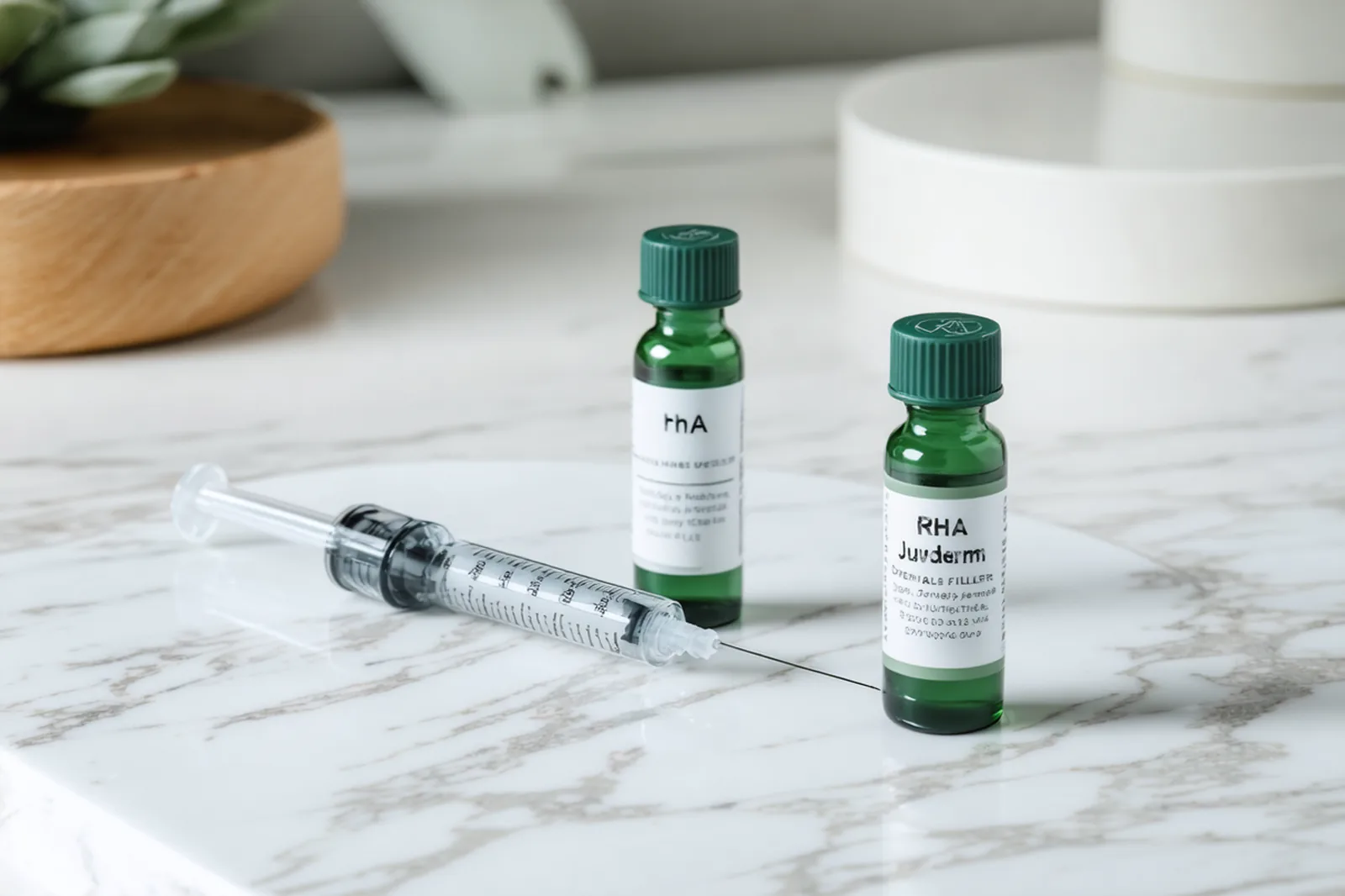
Photo: Gustavo Fring / Pexels

RHA (Resilient Hyaluronic Acid) and Juvéderm represent fundamentally different approaches to hyaluronic acid filler engineering, and the distinction matters clinically and economically for practice owners.

RHA, manufactured by Revance, uses a proprietary resilient polymer technology that preserves HA's natural flexibility. The molecule is crosslinked at lower density than traditional fillers, allowing it to compress and move with facial expression rather than resist it. This architecture makes RHA particularly suited to dynamic zones—the perioral area, nasolabial folds, and marionette lines—where rigid filler can appear unnatural or cause palpability complaints. RHA received FDA clearance in December 2021 and comes in three viscosities: RHA 2 (lighter, for fine lines), RHA 3 (medium, for moderate folds), and RHA 4 (robust, for deeper volume). The clinical longevity is typically 12 months, though some practices report 14–15 months in less mobile areas.

Juvéderm, owned by AbbVie/Allergan Aesthetics, uses Vycross technology—a proprietary crosslinking method that combines high- and low-molecular-weight HA chains to create a denser, more cohesive gel. Vycross fillers (Juvéderm Ultra XC, Ultra Plus XC, Voluma XC, Volbella XC) are engineered for structural support and longevity. They resist deformation under pressure and hold volume longer, typically 12–18 months depending on the product and injection site. Voluma XC, the volumizer in the line, is specifically cleared for cheek and midface augmentation and often lasts 18+ months. Juvéderm's broader product range and established market presence (Allergan has dominated the filler market for two decades) mean deeper manufacturer support, loyalty rebates through Alle, and more widespread clinician training.

Clinical Differences: Movement vs. Structure

The key distinction is how each filler behaves under dynamic load. RHA's lower crosslink density means it compresses when you smile or frown, then rebounds—mimicking native tissue behavior. Patients often report a more "natural" feel and fewer complaints of stiffness. This advantage is most pronounced in the lips and around the mouth, where expression is constant and visible.

Juvéderm's Vycross architecture prioritizes structural integrity. It resists compression and maintains volume through facial movement. This makes it superior for static augmentation—cheek projection, chin definition, or correcting significant volume loss. In the midface and lower face, where you want durable projection, Vycross delivers.

Longevity and Economics

ComparedRHAJuvéderm (Vycross)
ManufacturerRevanceAbbVie/Allergan Aesthetics
TechnologyResilient polymer; lower crosslink densityVycross; high/low MW HA chains, denser gel
FDA ClearanceDecember 2021Established; multiple products cleared
Product RangeRHA 2, 3, 4 (three viscosities)Ultra XC, Ultra Plus XC, Voluma XC, Volbella XC
Typical Duration12 months (12–15 in static areas)12–18 months; Voluma XC 18+ months
Best ForDynamic zones (lips, perioral, nasolabial folds); natural movementStructural support, midface volume, cheek projection
Clinical BehaviorCompresses and rebounds with expression; mimics native tissueResists compression; maintains volume under load
Wholesale Cost (per syringe)$600–$750 (varies by rebate tier)$600–$750 (Ultra XC); Voluma XC modest premium
Market PositionNewer entrant; growing adoptionEstablished leader; 20+ years market dominance
Bottom line: Choose RHA for dynamic facial zones and patients prioritizing natural movement; choose Juvéderm Vycross for structural augmentation, midface volume, and extended longevity needs.
RHA's lower crosslink density allows it to compress and rebound with facial movement, while Juvéderm's Vycross technology prioritizes structural support and 12–18 month longevity.

RHA typically lasts 12 months; Juvéderm Vycross products last 12–18 months depending on the specific formulation and patient metabolism. Voluma XC, in particular, is marketed for 18-month longevity, which can reduce patient retreat frequency and improve lifetime value per treatment cycle.

From a cost perspective, RHA and Juvéderm Ultra XC are priced similarly on a per-syringe basis (roughly $600–$750 wholesale, depending on your rebate tier with Alle or Aspire). Voluma XC commands a modest premium due to its longevity and volumizing indication. Most practices stock both lines: RHA for dynamic zones and patients who prioritize natural movement, Juvéderm for structural support and midface volume.

Regulatory and Market Position

Both products are FDA-cleared and carry identical safety profiles for HA fillers. RHA's newer entry (2021) means less clinical history in the literature, but real-world adoption has been steady. Juvéderm's entrenched position in rebate programs, training infrastructure, and sales rep support makes it the default choice for many practices, particularly those already committed to the Allergan/AbbVie ecosystem.

Practical Injection Strategy

Experienced injectors often use both. RHA in the lips, perioral area, and dynamic zones; Juvéderm (Ultra or Volbella) for precision contouring; Voluma for midface lift and cheek projection. This approach maximizes clinical outcomes and patient satisfaction while optimizing longevity per indication.

The choice isn't binary—it's about matching filler architecture to anatomy and patient expectations.

Frequently asked questions

What's the difference between RHA and Juvéderm fillers?

RHA uses lower-density crosslinking to allow the filler to compress and move with facial expressions, making it ideal for dynamic zones like lips and nasolabial folds. Juvéderm's Vycross technology creates a denser gel that resists deformation and maintains volume, making it better for structural support in the midface and cheeks.

How long does RHA filler last compared to Juvéderm?

RHA typically lasts 12 months, with some practices reporting 14–15 months in less mobile areas. Juvéderm Vycross products last 12–18 months depending on the formulation; Voluma XC specifically is marketed for 18-month longevity.

Which filler is better for lips and mouth area?

RHA is superior for lips and perioral areas because its lower crosslink density allows it to compress and rebound with constant facial movement, giving patients a more natural feel and fewer complaints of stiffness. Juvéderm's rigid structure can feel less natural in these highly dynamic zones.

Is RHA or Juvéderm better for cheek augmentation?

Juvéderm Voluma XC is the better choice for cheek augmentation because its Vycross architecture provides structural integrity and maintains projection through facial movement, plus it lasts 18+ months. RHA's flexibility makes it less ideal for static volume in the midface.

What's the wholesale cost difference between RHA and Juvéderm?

RHA and Juvéderm Ultra XC are priced similarly at roughly $600–$750 per syringe wholesale, depending on rebate tier. Voluma XC commands a modest premium due to its longevity and volumizing indication.

When did RHA filler get FDA approval?

RHA received FDA clearance in December 2021 and comes in three viscosities: RHA 2 for fine lines, RHA 3 for moderate folds, and RHA 4 for deeper volume. Both RHA and Juvéderm carry identical safety profiles for hyaluronic acid fillers.

Free weekly brief

Get the free weekly brief.

The week's most important moves in medical aesthetics — distilled to a two-minute read, free. Unsubscribe in one click.

Free · weekly · unsubscribe anytime. Privacy.

Stay three moves ahead of every practice in your market.

Knowing it happened is table stakes. Inside MedSpa Pro hands you the play — what each move means for your margins, your license, and your patients, and exactly what to do about it — in a two-minute brief every morning. The owners who read it never get blindsided.

Get the edge · $20/mo

Join the owners who run ahead of the industry. Cancel anytime, one click.

Inside MedSpa Pro

By the time it's news, it's too late.

The rebate cut, the scope-of-practice bill, the competitor opening down the street — it hits your business before the trade press ever covers it. Pro gets you there first: what happened, why it touches your margins, and exactly what to do — at 6 AM, in two minutes.

Go Pro · $20/mo Never be the last to know. Cancel anytime.
The daily intelligence brief Go Pro · $20/mo